Buy gunfactory.eu ?
We are moving the project
gunfactory.eu .
Are you interested in purchasing the domain
gunfactory.eu ?
domain@kv-gmbh.de · 0541-91531010
Buy gunfactory.eu ?
What are the differences between covalent bonds, metallic bonds, and ionic bonds?
Covalent bonds are formed when two atoms share electrons, resulting in a strong bond between the atoms. Metallic bonds occur between metal atoms, where the electrons are delocalized and free to move throughout the structure, creating a strong bond. Ionic bonds are formed between a metal and a nonmetal, where one atom transfers electrons to the other, resulting in the formation of positively and negatively charged ions that are attracted to each other. Overall, covalent bonds involve electron sharing, metallic bonds involve electron delocalization, and ionic bonds involve electron transfer. **
Do CO bonds form with other CO bonds?
No, CO bonds do not typically form with other CO bonds. Carbon monoxide (CO) is a stable molecule with a triple bond between the carbon and oxygen atoms. This triple bond is strong and does not readily form additional bonds with other CO molecules. Instead, CO molecules tend to interact with other types of molecules through various types of chemical reactions. **


Similar search terms for Bonds
Top-Angebote
Products related to Bonds:
-
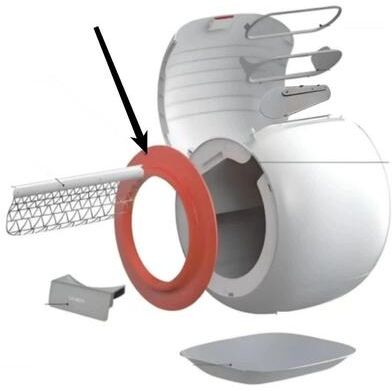
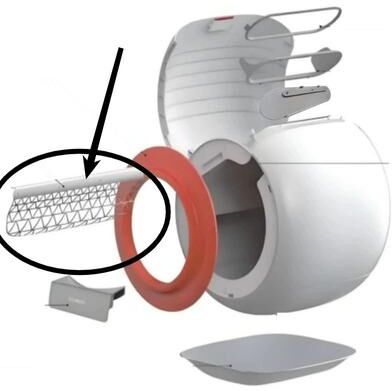
Uplift Picks TONEPIE Q Clean Cat Litter Box Accessories And Replacement Parts oKeep your smart litter box working cleaner, smoother, and more comfortably for your cat. These cat litter box accessories are made for the TONEPIE Q Clean system and include replacement options such as mats, filter mesh, bucket rings, anti sand...110,00 $*Shipping: 0,00 $Secure redirect to the provider
-
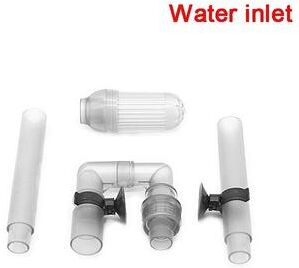
Happy Pet Pantry Aquarium Filter External Canister Parts: Water Inflow Outflow Tube Accessories 3Water Inflow Outflow Tube Pipe Aquarium Filter External Canister Parts Tank Water Tube Inlet Outlet Accessories 100% brand new and high quality.Help to adjust the water flow direction.Fit for HW603B602B and Eheim 250300600.Suitable for filters with...24,97 $*Shipping: 0,00 $Secure redirect to the provider
-
Inspired Finds Eternal Bonds Personalized Acrylic Photo Frame & Custom Couple Plaque Gift 7 Colors LightCapture Your Timeless Connection. Turn your most meaningful moments into a lasting keepsake with this elegant personalized acrylic photo frame. Designed specifically for couples who value memories that matter, this sleek, transparent display piece...116,99 $*Shipping: 0,00 $Secure redirect to the provider
-
Uplift Picks TONEPIE Q Clean Cat Litter Box Accessories And Replacement Parts matKeep your smart litter box working cleaner, smoother, and more comfortably for your cat. These cat litter box accessories are made for the TONEPIE Q Clean system and include replacement options such as mats, filter mesh, bucket rings, anti sand...200,00 $*Shipping: 0,00 $Secure redirect to the provider



-
Why are intermolecular bonds weaker than electron pair bonds?
Intermolecular bonds are weaker than electron pair bonds because they involve interactions between molecules rather than within a single molecule. In intermolecular bonds, the attractive forces between molecules are generally weaker than the covalent bonds that hold atoms together within a molecule. Additionally, intermolecular bonds are typically temporary and can be easily broken, whereas electron pair bonds are strong and stable. Overall, the weaker nature of intermolecular bonds allows molecules to move and interact with each other more freely. **
-
Why are intermolecular bonds generally weaker than covalent bonds?
Intermolecular bonds are generally weaker than covalent bonds because they involve interactions between molecules rather than within a single molecule. Covalent bonds involve the sharing of electrons between atoms, creating strong bonds within a molecule. In contrast, intermolecular bonds, such as hydrogen bonds or van der Waals forces, are weaker because they are based on temporary interactions between molecules, which can be easily broken. Additionally, intermolecular bonds are influenced by factors such as distance and orientation, further contributing to their weaker nature compared to covalent bonds. **
-
Why are intermolecular bonds typically weaker than covalent bonds?
Intermolecular bonds are typically weaker than covalent bonds because they involve interactions between molecules rather than within a single molecule. In intermolecular bonds, the attractive forces between molecules, such as van der Waals forces or hydrogen bonding, are weaker than the strong sharing of electrons in covalent bonds. Additionally, intermolecular bonds are more easily broken or disrupted by changes in temperature or pressure, leading to lower bond energies compared to covalent bonds. **
-
Why are intermolecular bonds generally weaker than electron pair bonds?
Intermolecular bonds are generally weaker than electron pair bonds because they involve interactions between molecules, which are larger and less localized than the interactions between atoms in a covalent bond. In intermolecular bonds, the attractive forces are typically weaker due to the larger distance between molecules and the lack of direct sharing of electrons. In contrast, electron pair bonds involve the sharing of electrons between atoms, leading to stronger and more localized bonding interactions. **
Why are intermolecular bonds typically weaker than electron pair bonds?
Intermolecular bonds are typically weaker than electron pair bonds because they involve interactions between molecules rather than within a single molecule. In intermolecular bonds, the attractive forces between molecules are generally weaker than the covalent bonds that hold atoms together within a molecule. Additionally, intermolecular bonds are usually based on weaker forces such as van der Waals forces, hydrogen bonding, or dipole-dipole interactions, which are not as strong as the sharing or transfer of electrons in covalent or ionic bonds. **
Why are polar bonds lower in energy than nonpolar bonds?
Polar bonds are lower in energy than nonpolar bonds because they involve the unequal sharing of electrons between two atoms with different electronegativities. This unequal sharing creates a dipole moment, which results in an attractive force between the partially positive and partially negative ends of the molecule. This electrostatic attraction lowers the overall energy of the molecule compared to nonpolar bonds, where electrons are shared equally. As a result, polar bonds are typically stronger and more stable than nonpolar bonds. **
Top-Angebote
Products related to Bonds:
-
Inspired Finds Eternal Bonds Personalized Acrylic Photo Frame & Custom Couple Plaque Gift warm LightCapture Your Timeless Connection. Turn your most meaningful moments into a lasting keepsake with this elegant personalized acrylic photo frame. Designed specifically for couples who value memories that matter, this sleek, transparent display piece...110,99 $*Shipping: 0,00 $Secure redirect to the provider
-
Burgon & Ball RHS Flora & Fauna Pruner & Holster Set This RHS Flora & Fauna pruner and holster set combines dependable cutting performance with decorative botanical detail, making it a thoughtful and practical gardening gift. The pruner is endorsed by the Royal Horticultural Society and designed for long‑lasting use. Lightweight alloy handles are paired with a hardened, tempered high‑carbon steel blade to deliver clean, precise cuts. Finished with blue handles that complement the Flora & Fauna design, the pruner is comfortable to use and carries a reassuring ten‑year guarantee. The matching neoprene holster features the vibrant Flora & Fauna pattern and is designed to be worn on a belt, keeping the pruner close to hand while gardening. The set is presented in a plastic‑free, fully recyclable pull‑out gift box, with engineered cardboard securing both items neatly in place. The Flora & Fauna design showcases elegant birds and delicate foliage drawn from historic illustrations in the RHS Lindley Collections, including Chinese watercolours and hand‑coloured engravings dating from 1819–1912. Designed by Burgon & Ball as part of the RHS Gifts for Gardeners collection. Pruner length: 17cm. Pruner weight: 0.16kg. Holster length: 19cm. Knives are not for sale to persons under the age of 18. - all knives and bladed products are delivered by Age Verified Delivery (AVD). The carrier may request proof of age in order to deliver your parcel. If proof of age is not available, or the recipient is underage, the carrier will refuse to deliver.20,69 £*Shipping: 3,50 £Secure redirect to the provider
-
Uplift Picks TONEPIE Q Clean Cat Litter Box Accessories And Replacement Parts oKeep your smart litter box working cleaner, smoother, and more comfortably for your cat. These cat litter box accessories are made for the TONEPIE Q Clean system and include replacement options such as mats, filter mesh, bucket rings, anti sand...110,00 $*Shipping: 0,00 $Secure redirect to the provider
-
Happy Pet Pantry Aquarium Filter External Canister Parts: Water Inflow Outflow Tube Accessories 3Water Inflow Outflow Tube Pipe Aquarium Filter External Canister Parts Tank Water Tube Inlet Outlet Accessories 100% brand new and high quality.Help to adjust the water flow direction.Fit for HW603B602B and Eheim 250300600.Suitable for filters with...24,97 $*Shipping: 0,00 $Secure redirect to the provider
-
What are the differences between covalent bonds, metallic bonds, and ionic bonds?
Covalent bonds are formed when two atoms share electrons, resulting in a strong bond between the atoms. Metallic bonds occur between metal atoms, where the electrons are delocalized and free to move throughout the structure, creating a strong bond. Ionic bonds are formed between a metal and a nonmetal, where one atom transfers electrons to the other, resulting in the formation of positively and negatively charged ions that are attracted to each other. Overall, covalent bonds involve electron sharing, metallic bonds involve electron delocalization, and ionic bonds involve electron transfer. **
-
Do CO bonds form with other CO bonds?
No, CO bonds do not typically form with other CO bonds. Carbon monoxide (CO) is a stable molecule with a triple bond between the carbon and oxygen atoms. This triple bond is strong and does not readily form additional bonds with other CO molecules. Instead, CO molecules tend to interact with other types of molecules through various types of chemical reactions. **
-
Why are intermolecular bonds weaker than electron pair bonds?
Intermolecular bonds are weaker than electron pair bonds because they involve interactions between molecules rather than within a single molecule. In intermolecular bonds, the attractive forces between molecules are generally weaker than the covalent bonds that hold atoms together within a molecule. Additionally, intermolecular bonds are typically temporary and can be easily broken, whereas electron pair bonds are strong and stable. Overall, the weaker nature of intermolecular bonds allows molecules to move and interact with each other more freely. **
-
Why are intermolecular bonds generally weaker than covalent bonds?
Intermolecular bonds are generally weaker than covalent bonds because they involve interactions between molecules rather than within a single molecule. Covalent bonds involve the sharing of electrons between atoms, creating strong bonds within a molecule. In contrast, intermolecular bonds, such as hydrogen bonds or van der Waals forces, are weaker because they are based on temporary interactions between molecules, which can be easily broken. Additionally, intermolecular bonds are influenced by factors such as distance and orientation, further contributing to their weaker nature compared to covalent bonds. **
Similar search terms for Bonds
-
Inspired Finds Eternal Bonds Personalized Acrylic Photo Frame & Custom Couple Plaque Gift 7 Colors LightCapture Your Timeless Connection. Turn your most meaningful moments into a lasting keepsake with this elegant personalized acrylic photo frame. Designed specifically for couples who value memories that matter, this sleek, transparent display piece...116,99 $*Shipping: 0,00 $Secure redirect to the provider
-
Uplift Picks TONEPIE Q Clean Cat Litter Box Accessories And Replacement Parts matKeep your smart litter box working cleaner, smoother, and more comfortably for your cat. These cat litter box accessories are made for the TONEPIE Q Clean system and include replacement options such as mats, filter mesh, bucket rings, anti sand...200,00 $*Shipping: 0,00 $Secure redirect to the provider
-
Uplift Picks TONEPIE Q Clean Cat Litter Box Accessories And Replacement Parts circleKeep your smart litter box working cleaner, smoother, and more comfortably for your cat. These cat litter box accessories are made for the TONEPIE Q Clean system and include replacement options such as mats, filter mesh, bucket rings, anti sand...200,00 $*Shipping: 0,00 $Secure redirect to the provider
-
Uplift Picks TONEPIE Q Clean Cat Litter Box Accessories And Replacement Parts filterKeep your smart litter box working cleaner, smoother, and more comfortably for your cat. These cat litter box accessories are made for the TONEPIE Q Clean system and include replacement options such as mats, filter mesh, bucket rings, anti sand...200,00 $*Shipping: 0,00 $Secure redirect to the provider
-
Why are intermolecular bonds typically weaker than covalent bonds?
Intermolecular bonds are typically weaker than covalent bonds because they involve interactions between molecules rather than within a single molecule. In intermolecular bonds, the attractive forces between molecules, such as van der Waals forces or hydrogen bonding, are weaker than the strong sharing of electrons in covalent bonds. Additionally, intermolecular bonds are more easily broken or disrupted by changes in temperature or pressure, leading to lower bond energies compared to covalent bonds. **
-
Why are intermolecular bonds generally weaker than electron pair bonds?
Intermolecular bonds are generally weaker than electron pair bonds because they involve interactions between molecules, which are larger and less localized than the interactions between atoms in a covalent bond. In intermolecular bonds, the attractive forces are typically weaker due to the larger distance between molecules and the lack of direct sharing of electrons. In contrast, electron pair bonds involve the sharing of electrons between atoms, leading to stronger and more localized bonding interactions. **
-
Why are intermolecular bonds typically weaker than electron pair bonds?
Intermolecular bonds are typically weaker than electron pair bonds because they involve interactions between molecules rather than within a single molecule. In intermolecular bonds, the attractive forces between molecules are generally weaker than the covalent bonds that hold atoms together within a molecule. Additionally, intermolecular bonds are usually based on weaker forces such as van der Waals forces, hydrogen bonding, or dipole-dipole interactions, which are not as strong as the sharing or transfer of electrons in covalent or ionic bonds. **
-
Why are polar bonds lower in energy than nonpolar bonds?
Polar bonds are lower in energy than nonpolar bonds because they involve the unequal sharing of electrons between two atoms with different electronegativities. This unequal sharing creates a dipole moment, which results in an attractive force between the partially positive and partially negative ends of the molecule. This electrostatic attraction lowers the overall energy of the molecule compared to nonpolar bonds, where electrons are shared equally. As a result, polar bonds are typically stronger and more stable than nonpolar bonds. **
* All prices are inclusive of VAT and, if applicable, plus shipping costs. The offer information is based on the details provided by the respective shop and is updated through automated processes. Real-time updates do not occur, so deviations can occur in individual cases. ** Note: Parts of this content were created by AI.