Buy gunfactory.eu ?
We are moving the project
gunfactory.eu .
Are you interested in purchasing the domain
gunfactory.eu ?
domain@kv-gmbh.de · 0541-91531010
Buy gunfactory.eu ?
What is the difference between natural frequency, excitation frequency, and resonance frequency?
Natural frequency is the frequency at which a system naturally vibrates when disturbed from its equilibrium position. Excitation frequency is the frequency at which an external force is applied to a system. Resonance frequency is the frequency at which the amplitude of the system's response is maximized when subjected to an external force at or near its natural frequency. In summary, natural frequency is inherent to the system, excitation frequency is the frequency of the external force, and resonance frequency is the frequency at which the system's response is maximized. **
What is firearm accessories for sports shooters?
Firearm accessories for sports shooters are additional items that can be added to a firearm to enhance its performance, accuracy, and functionality. These accessories can include items such as scopes, red dot sights, bipods, slings, and magazine extensions. Sports shooters often use these accessories to customize their firearms to better suit their individual shooting style and competition needs. Additionally, firearm accessories can also help sports shooters improve their shooting skills and overall performance on the range or in competition. **


Similar search terms for Frequency
Top-Angebote
Products related to Frequency:
-
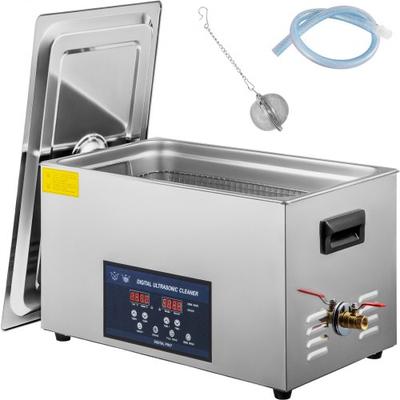
Tools, Home & Hobby 30L Professional Ultrasonic Parts Cleaner With Heater & Timer, Dual Frequency (28 40kHz) For Dental Instruments. 30L Professional Ultrasonic Parts Cleaner With Heater & Timer, Dual Frequency (28 40kHz) For Dental Instruments.Built with highgrade 304 stainless steel, this professional ultrasonic parts cleaner resists corrosion, leaks, and wear for longlasting durability. The 30L largecapacity tank accommodates bulky items, making it ideal for industrial, medical, and...319,97 $*Shipping: 0,00 $Secure redirect to the provider
-
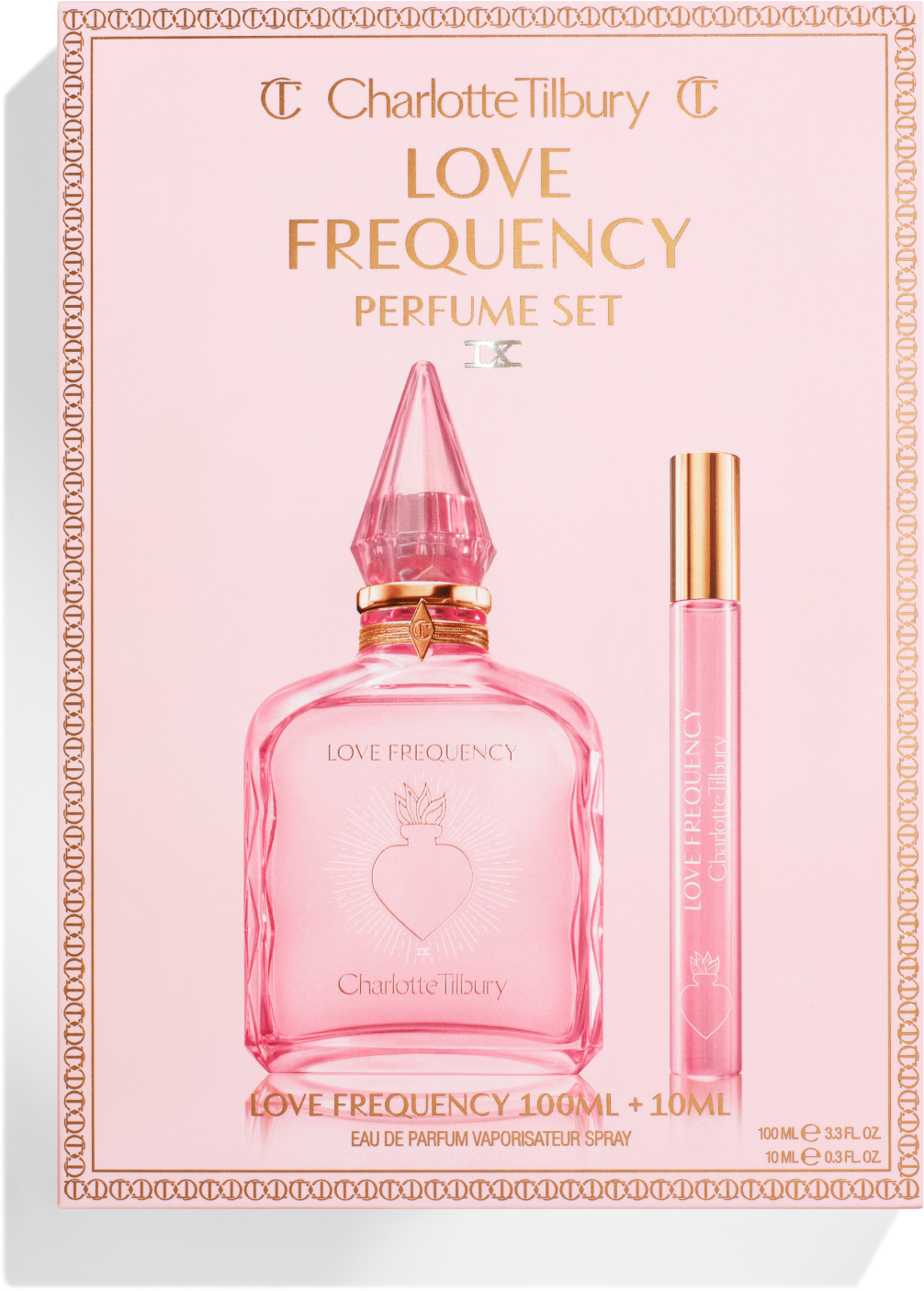
Love Frequency - Limited Edition Perfume Set Charlotte Tilbury 2396 Love Frequency Size:This set includes a 100ml and 10ml bottle of my woody-floral fragrance that emanates that ALL-ENCOMPASSING FEELING of being LOVED and being IN LOVE! ABOUT LOVE FREQUENCY: A vibrant union between bold patchouli, sensual woody notes and velvety addictive musks, LOVE FREQUENCY is the alluring and perfect scent of eternal and all-encompassing LOVE. It elicits feelings of LOVE to make your heart dance, with an exceptional scent trail that lasts up to 18 HOURS! MAGIC FRAGRANCE NOTES: TOP: Addictive pink pepper HEART: Sultry saffron, romantic rose ultimate extract, hypnotic rose essential BASE: Sensual musk, alluring cashmeran, captivating ambery woods, intoxicating patchouli heart Learn more, darling...130,00 £*Shipping: 0,00 £Secure redirect to the provider
-
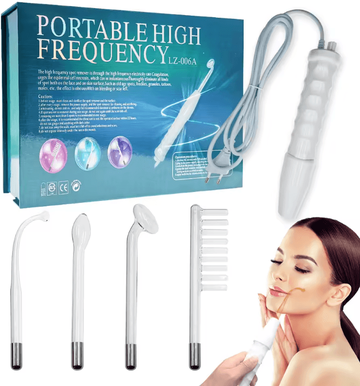
Inspire Essentials ClearSkin High Frequency Therapy Wand ClearSkin High Frequency Therapy WandReveal your best skin with the high frequency wand that helps fade acne, smooth texture, and promote a radiant, youthful glow. The ClearSkin High Frequency Therapy Wand delivers spalevel rejuvenation right at home through gentle electrical...70,48 $*Shipping: 0,00 $Secure redirect to the provider
-
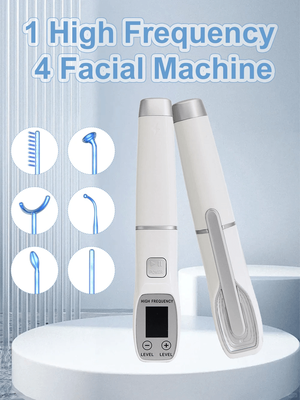
Inspire Essentials AuraGlow High Frequency Facial Wand AuraGlow High Frequency Facial WandReveal smoother, clearer, more radiant skin from the comfort of your home with the high frequency facial wand trusted by beauty enthusiasts and estheticians alike. The RadianceLift High Frequency Facial Therapy Wand uses gentle electrotherapy to...180,48 $*Shipping: 0,00 $Secure redirect to the provider
-
What is the difference between angular frequency and frequency?
Frequency is the number of complete cycles of a periodic waveform that occur in a unit of time, usually measured in hertz (Hz). Angular frequency, on the other hand, is the rate of change of the phase of a sinusoidal waveform, measured in radians per second. Angular frequency is related to frequency by the equation ω = 2πf, where ω is the angular frequency and f is the frequency in hertz. **
-
Is the radio frequency 149050 a walkie-talkie frequency?
No, the radio frequency 149050 is not typically used for walkie-talkies. Walkie-talkies typically operate on frequencies within the VHF (Very High Frequency) or UHF (Ultra High Frequency) bands, such as 462-467 MHz in the UHF band. The frequency 149050 is within the HF (High Frequency) band, which is commonly used for long-distance communication, such as amateur radio, maritime, and aviation communication. Therefore, it is unlikely that 149050 would be used for walkie-talkies. **
-
What is the difference between beat frequency and envelope frequency?
Beat frequency refers to the frequency of the fluctuation in amplitude that occurs when two waves of slightly different frequencies interfere with each other. This fluctuation creates a pulsating sound or sensation. On the other hand, envelope frequency refers to the frequency of the overall shape or envelope of the combined wave, which is determined by the slower of the two interfering waves. In other words, beat frequency is the frequency of the pulsating fluctuations, while envelope frequency is the frequency of the overall shape of the combined wave. **
-
What is the difference between relative frequency and absolute frequency?
Relative frequency is the proportion of the total number of occurrences of a particular value to the total number of occurrences in the data set. It is expressed as a percentage or a decimal. Absolute frequency, on the other hand, is the actual number of occurrences of a particular value in the data set. It represents the raw count of how many times a value appears in the data. While relative frequency gives us a sense of the proportion or percentage of occurrences, absolute frequency gives us the actual count of occurrences. **
What is the highest frequency and what is the lowest frequency?
The highest frequency is the frequency with the shortest wavelength, which is typically in the range of hundreds of terahertz (THz) or even higher. This includes gamma rays, X-rays, and ultraviolet light. The lowest frequency is the frequency with the longest wavelength, which is typically in the range of a few hertz (Hz) or lower. This includes radio waves and extremely low frequency (ELF) waves. **
What is frequency, angular frequency, peak factor, amplitude, and instantaneous value?
Frequency is the number of occurrences of a repeating event per unit of time, typically measured in hertz (Hz). Angular frequency is a measure of how quickly an object moves through a circular path, and is measured in radians per second. Peak factor is the ratio of the peak value of a waveform to its RMS (root mean square) value, and is a measure of the waveform's peakiness. Amplitude is the maximum displacement or distance moved by a point on a vibrating body or wave from its central position. Instantaneous value refers to the value of a varying quantity at a particular instant in time. **
Top-Angebote
Products related to Frequency:
-
Love Frequency - 50 Ml Fragrance Charlotte Tilbury 595 Love Frequency Size:A vibrant union between bold patchouli, sensual woody notes and velvety addictive musks, LOVE FREQUENCY is the alluring and perfect scent of eternal and all-encompassing LOVE. It elicits feelings of LOVE to make your heart dance, with an exceptional scent trail that lasts up to 18 HOURS! Love Frequency is now available in a 50ml size perfect for travelling, trying, gifting + spraying on LOVE! TRY ME FIRST! BUY A 50ML BOTTLE AND RECEIVE A FREE 1.5ML SAMPLE TO TRY, WEAR AND FALL IN LOVE WITH - OR YOUR MONEY BACK!§ MAGIC FRAGRANCE NOTES TOP: Addictive pink pepper__HEART:__ Sultry saffron, romantic rose ultimate extract, hypnotic rose essential HEART: Sultry saffron, romantic rose ultimate extract, hypnotic rose essential BASE: Sensual musk, alluring cashmeran, captivating ambery woods, intoxicating patchouli heart80,00 £*Shipping: 0,00 £Secure redirect to the provider
-
Love Frequency - 100 Ml Fragrance Charlotte Tilbury 2780 Love Frequency Size:A vibrant union between bold patchouli, sensual woody notes and velvety addictive musks, LOVE FREQUENCY is the alluring and perfect scent of eternal and all-encompassing LOVE. It elicits feelings of LOVE to make your heart dance, with an exceptional scent trail that lasts up to 18 HOURS! TRY ME FIRST! BUY A 100ML BOTTLE AND RECEIVE A FREE 1.5ML SAMPLE TO TRY, WEAR AND FALL IN LOVE WITH - OR YOUR MONEY BACK!§ MAGIC FRAGRANCE NOTES TOP: Addictive pink pepper HEART: Sultry saffron, romantic rose ultimate extract, hypnotic rose essential HEART: Sultry saffron, romantic rose ultimate extract, hypnotic rose essential BASE: Sensual musk, alluring cashmeran, captivating ambery woods, intoxicating patchouli heart130,00 £*Shipping: 0,00 £Secure redirect to the provider
-
Tools, Home & Hobby 30L Professional Ultrasonic Parts Cleaner With Heater & Timer, Dual Frequency (28 40kHz) For Dental Instruments. 30L Professional Ultrasonic Parts Cleaner With Heater & Timer, Dual Frequency (28 40kHz) For Dental Instruments.Built with highgrade 304 stainless steel, this professional ultrasonic parts cleaner resists corrosion, leaks, and wear for longlasting durability. The 30L largecapacity tank accommodates bulky items, making it ideal for industrial, medical, and...319,97 $*Shipping: 0,00 $Secure redirect to the provider
-
Love Frequency - Limited Edition Perfume Set Charlotte Tilbury 2396 Love Frequency Size:This set includes a 100ml and 10ml bottle of my woody-floral fragrance that emanates that ALL-ENCOMPASSING FEELING of being LOVED and being IN LOVE! ABOUT LOVE FREQUENCY: A vibrant union between bold patchouli, sensual woody notes and velvety addictive musks, LOVE FREQUENCY is the alluring and perfect scent of eternal and all-encompassing LOVE. It elicits feelings of LOVE to make your heart dance, with an exceptional scent trail that lasts up to 18 HOURS! MAGIC FRAGRANCE NOTES: TOP: Addictive pink pepper HEART: Sultry saffron, romantic rose ultimate extract, hypnotic rose essential BASE: Sensual musk, alluring cashmeran, captivating ambery woods, intoxicating patchouli heart Learn more, darling...130,00 £*Shipping: 0,00 £Secure redirect to the provider
-
What is the difference between natural frequency, excitation frequency, and resonance frequency?
Natural frequency is the frequency at which a system naturally vibrates when disturbed from its equilibrium position. Excitation frequency is the frequency at which an external force is applied to a system. Resonance frequency is the frequency at which the amplitude of the system's response is maximized when subjected to an external force at or near its natural frequency. In summary, natural frequency is inherent to the system, excitation frequency is the frequency of the external force, and resonance frequency is the frequency at which the system's response is maximized. **
-
What is firearm accessories for sports shooters?
Firearm accessories for sports shooters are additional items that can be added to a firearm to enhance its performance, accuracy, and functionality. These accessories can include items such as scopes, red dot sights, bipods, slings, and magazine extensions. Sports shooters often use these accessories to customize their firearms to better suit their individual shooting style and competition needs. Additionally, firearm accessories can also help sports shooters improve their shooting skills and overall performance on the range or in competition. **
-
What is the difference between angular frequency and frequency?
Frequency is the number of complete cycles of a periodic waveform that occur in a unit of time, usually measured in hertz (Hz). Angular frequency, on the other hand, is the rate of change of the phase of a sinusoidal waveform, measured in radians per second. Angular frequency is related to frequency by the equation ω = 2πf, where ω is the angular frequency and f is the frequency in hertz. **
-
Is the radio frequency 149050 a walkie-talkie frequency?
No, the radio frequency 149050 is not typically used for walkie-talkies. Walkie-talkies typically operate on frequencies within the VHF (Very High Frequency) or UHF (Ultra High Frequency) bands, such as 462-467 MHz in the UHF band. The frequency 149050 is within the HF (High Frequency) band, which is commonly used for long-distance communication, such as amateur radio, maritime, and aviation communication. Therefore, it is unlikely that 149050 would be used for walkie-talkies. **
Similar search terms for Frequency
-
Inspire Essentials ClearSkin High Frequency Therapy Wand ClearSkin High Frequency Therapy WandReveal your best skin with the high frequency wand that helps fade acne, smooth texture, and promote a radiant, youthful glow. The ClearSkin High Frequency Therapy Wand delivers spalevel rejuvenation right at home through gentle electrical...70,48 $*Shipping: 0,00 $Secure redirect to the provider
-
Inspire Essentials AuraGlow High Frequency Facial Wand AuraGlow High Frequency Facial WandReveal smoother, clearer, more radiant skin from the comfort of your home with the high frequency facial wand trusted by beauty enthusiasts and estheticians alike. The RadianceLift High Frequency Facial Therapy Wand uses gentle electrotherapy to...180,48 $*Shipping: 0,00 $Secure redirect to the provider
-
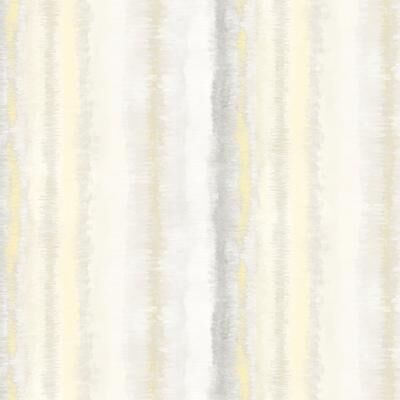
Frequency Stripe Wallpaper in Greys & YellowsMultiple stripes are brushed with vigorous speed to create vibrancy in this design. This stripe has a, Zen-like, relaxed quality that could create a calming atmosphere. Add dimension to your space with this design.50,12 $*Shipping: 0,00 $Secure redirect to the provider
-
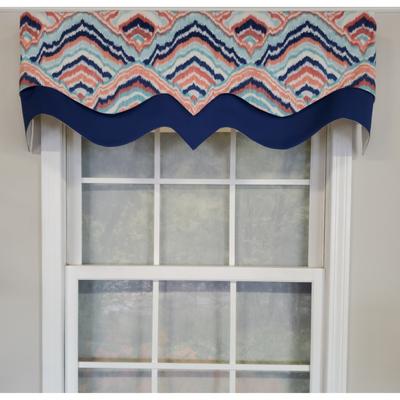
RLF Home Frequency D-Regal Valance"Frequency D-Regal Valance. Decorator's quality fabric. Fully lined with ivory poly/cotton goods. 3"" rod pocket fits a window up to 48""W. Use a 2-1/2"" contintal rod, regular 3/4"" rod, tension rod or decorative pole up to 1-3/8"" diameter."72,49 $*Shipping: 0,00 $Secure redirect to the provider
-
What is the difference between beat frequency and envelope frequency?
Beat frequency refers to the frequency of the fluctuation in amplitude that occurs when two waves of slightly different frequencies interfere with each other. This fluctuation creates a pulsating sound or sensation. On the other hand, envelope frequency refers to the frequency of the overall shape or envelope of the combined wave, which is determined by the slower of the two interfering waves. In other words, beat frequency is the frequency of the pulsating fluctuations, while envelope frequency is the frequency of the overall shape of the combined wave. **
-
What is the difference between relative frequency and absolute frequency?
Relative frequency is the proportion of the total number of occurrences of a particular value to the total number of occurrences in the data set. It is expressed as a percentage or a decimal. Absolute frequency, on the other hand, is the actual number of occurrences of a particular value in the data set. It represents the raw count of how many times a value appears in the data. While relative frequency gives us a sense of the proportion or percentage of occurrences, absolute frequency gives us the actual count of occurrences. **
-
What is the highest frequency and what is the lowest frequency?
The highest frequency is the frequency with the shortest wavelength, which is typically in the range of hundreds of terahertz (THz) or even higher. This includes gamma rays, X-rays, and ultraviolet light. The lowest frequency is the frequency with the longest wavelength, which is typically in the range of a few hertz (Hz) or lower. This includes radio waves and extremely low frequency (ELF) waves. **
-
What is frequency, angular frequency, peak factor, amplitude, and instantaneous value?
Frequency is the number of occurrences of a repeating event per unit of time, typically measured in hertz (Hz). Angular frequency is a measure of how quickly an object moves through a circular path, and is measured in radians per second. Peak factor is the ratio of the peak value of a waveform to its RMS (root mean square) value, and is a measure of the waveform's peakiness. Amplitude is the maximum displacement or distance moved by a point on a vibrating body or wave from its central position. Instantaneous value refers to the value of a varying quantity at a particular instant in time. **
* All prices are inclusive of VAT and, if applicable, plus shipping costs. The offer information is based on the details provided by the respective shop and is updated through automated processes. Real-time updates do not occur, so deviations can occur in individual cases. ** Note: Parts of this content were created by AI.