Buy gunfactory.eu ?
We are moving the project
gunfactory.eu .
Are you interested in purchasing the domain
gunfactory.eu ?
domain@kv-gmbh.de · 0541-91531010
Buy gunfactory.eu ?
How do tile grout turn white?
Tile grout can turn white due to a variety of reasons. One common reason is the accumulation of soap scum, dirt, and other debris that can discolor the grout over time. Additionally, grout can become discolored due to mold and mildew growth in damp or humid areas. Harsh cleaning chemicals or improper cleaning techniques can also cause grout to turn white as they strip away the original color. Finally, natural wear and tear can cause grout to lose its original color and become white over time. **
What is the white coating on the tile?
The white coating on the tile is likely efflorescence, which is a deposit of soluble salts that can form on the surface of masonry materials like tiles. This occurs when water carrying the salts evaporates, leaving the salts behind. Efflorescence is often seen in areas with high humidity or water exposure, and can be removed with cleaning solutions or by addressing the underlying moisture issue. **
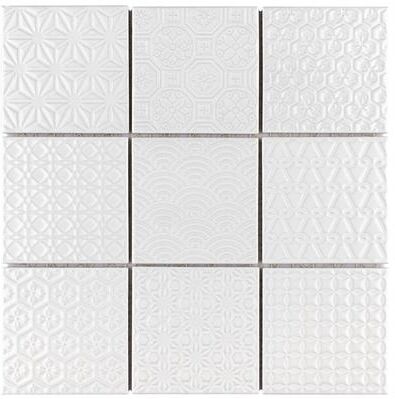

Similar search terms for Merola-Tile-Spirit-White
Top-Angebote
Products related to Merola-Tile-Spirit-White:


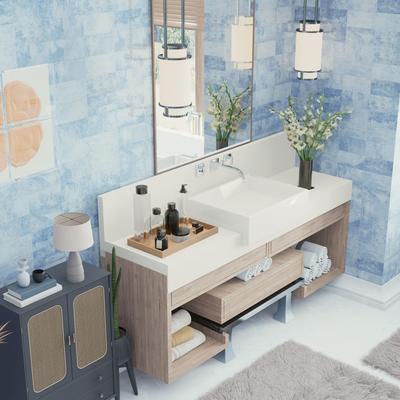
-
What is the cause of the white spots on the tile floor?
The white spots on the tile floor are likely caused by a buildup of mineral deposits from hard water. When water with a high mineral content evaporates on the tile surface, it leaves behind these white spots. Another possible cause could be the use of harsh cleaning products that leave behind a residue on the tiles. Regular cleaning and using a mild acidic solution can help remove these white spots and prevent them from reoccurring. **
-
Which substitute for turpentine (White Spirit) is recommended for oil painting?
For oil painting, odorless mineral spirits are recommended as a substitute for turpentine (White Spirit). Odorless mineral spirits are less toxic and have a milder odor compared to traditional turpentine, making them a safer option for artists to use in their studios. They can effectively thin oil paints, clean brushes, and remove excess paint from palettes without compromising the quality of the artwork. **
-
How can you repair a white tile if a corner has broken off?
To repair a white tile if a corner has broken off, you can start by cleaning the area around the broken tile to remove any debris or dust. Then, use a tile adhesive to carefully glue the broken piece back into place. Hold the piece in place for a few minutes to allow the adhesive to set. Once the adhesive has dried, you can use a white grout to fill in any gaps and smooth out the repaired area. Finally, wipe away any excess grout and allow it to dry completely before using the tile. **
-
What is better, tile paint or tile color?
The choice between tile paint and tile color depends on personal preference and the desired outcome. Tile paint is a quick and cost-effective way to update the look of tiles, but it may not be as durable or long-lasting as tile color. On the other hand, tile color involves replacing the tiles entirely, providing a more permanent solution with a wider range of color options. Ultimately, the decision between tile paint and tile color should be based on factors such as budget, time constraints, and the desired longevity of the update. **
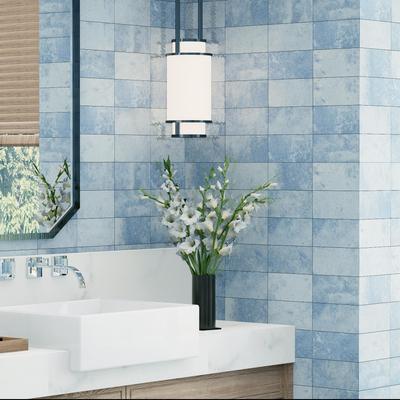
How thick is the tile adhesive after drying, including the tile?
The thickness of the tile adhesive after drying, including the tile, can vary depending on the type of adhesive used and the application method. Generally, the adhesive layer can range from 1/8 inch to 1/4 inch thick. It is important to follow the manufacturer's recommendations for the specific adhesive being used to ensure proper adhesion and long-term durability of the tile installation. **
Is the tile broken?
Yes, the tile is broken. **
Top-Angebote
Products related to Merola-Tile-Spirit-White:
-
"Merola Tile Spirit White 11-5/8"" x 11-5/8"" Porcelain Mosaic Floor and Wall Tile"Easily update your home decor with this Spirit White Porcelain Floor and Wall Tile. Each tile is designed for both indoor and outdoor use. Perfect for kitchens, bathrooms, floors and walls.181,49 $*Shipping: 0,00 $Secure redirect to the provider
-
"Merola Tile Spirit Black 11-5/8"" x 11-5/8"" Porcelain Mosaic Floor and Wall Tile"A patchwork blend of rustic and contemporary elements create an astonishing, distinctive mosaic in the Spirit Black 11-5/8 in. x 11-5/8 in. x 6 mm Porcelain Mosaic Tile.132,43 $*Shipping: 0,00 $Secure redirect to the provider
-
How do tile grout turn white?
Tile grout can turn white due to a variety of reasons. One common reason is the accumulation of soap scum, dirt, and other debris that can discolor the grout over time. Additionally, grout can become discolored due to mold and mildew growth in damp or humid areas. Harsh cleaning chemicals or improper cleaning techniques can also cause grout to turn white as they strip away the original color. Finally, natural wear and tear can cause grout to lose its original color and become white over time. **
-
What is the white coating on the tile?
The white coating on the tile is likely efflorescence, which is a deposit of soluble salts that can form on the surface of masonry materials like tiles. This occurs when water carrying the salts evaporates, leaving the salts behind. Efflorescence is often seen in areas with high humidity or water exposure, and can be removed with cleaning solutions or by addressing the underlying moisture issue. **
-
What is the cause of the white spots on the tile floor?
The white spots on the tile floor are likely caused by a buildup of mineral deposits from hard water. When water with a high mineral content evaporates on the tile surface, it leaves behind these white spots. Another possible cause could be the use of harsh cleaning products that leave behind a residue on the tiles. Regular cleaning and using a mild acidic solution can help remove these white spots and prevent them from reoccurring. **
-
Which substitute for turpentine (White Spirit) is recommended for oil painting?
For oil painting, odorless mineral spirits are recommended as a substitute for turpentine (White Spirit). Odorless mineral spirits are less toxic and have a milder odor compared to traditional turpentine, making them a safer option for artists to use in their studios. They can effectively thin oil paints, clean brushes, and remove excess paint from palettes without compromising the quality of the artwork. **
Similar search terms for Merola-Tile-Spirit-White
-
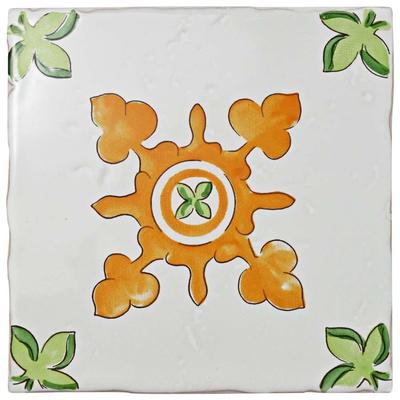
Merola Tile 5.125x5.125-inch Nove Centro Paterna Deco Ceramic Wall TileCapture a handcrafted, artisan appearance that seems to have been derived directly from twentieth-century Spain with the 5.125x5.125-inch Nove Centro Paterna Deco Ceramic Wall Tile.554,49 $*Shipping: 0,00 $Secure redirect to the provider
-
How can you repair a white tile if a corner has broken off?
To repair a white tile if a corner has broken off, you can start by cleaning the area around the broken tile to remove any debris or dust. Then, use a tile adhesive to carefully glue the broken piece back into place. Hold the piece in place for a few minutes to allow the adhesive to set. Once the adhesive has dried, you can use a white grout to fill in any gaps and smooth out the repaired area. Finally, wipe away any excess grout and allow it to dry completely before using the tile. **
-
What is better, tile paint or tile color?
The choice between tile paint and tile color depends on personal preference and the desired outcome. Tile paint is a quick and cost-effective way to update the look of tiles, but it may not be as durable or long-lasting as tile color. On the other hand, tile color involves replacing the tiles entirely, providing a more permanent solution with a wider range of color options. Ultimately, the decision between tile paint and tile color should be based on factors such as budget, time constraints, and the desired longevity of the update. **
-
How thick is the tile adhesive after drying, including the tile?
The thickness of the tile adhesive after drying, including the tile, can vary depending on the type of adhesive used and the application method. Generally, the adhesive layer can range from 1/8 inch to 1/4 inch thick. It is important to follow the manufacturer's recommendations for the specific adhesive being used to ensure proper adhesion and long-term durability of the tile installation. **
-
Is the tile broken?
Yes, the tile is broken. **
* All prices are inclusive of VAT and, if applicable, plus shipping costs. The offer information is based on the details provided by the respective shop and is updated through automated processes. Real-time updates do not occur, so deviations can occur in individual cases. ** Note: Parts of this content were created by AI.