Buy gunfactory.eu ?
We are moving the project
gunfactory.eu .
Are you interested in purchasing the domain
gunfactory.eu ?
domain@kv-gmbh.de · 0541-91531010
Buy gunfactory.eu ?
How does a photodiode work?
A photodiode is a semiconductor device that converts light into an electrical current. When light strikes the photodiode, it generates electron-hole pairs in the semiconductor material. These pairs create a flow of current, which can be measured as a voltage output. The amount of current produced is directly proportional to the intensity of the light hitting the photodiode. This makes photodiodes useful for applications such as light detection, solar cells, and optical communications. **
How is a photodiode connected?
A photodiode is typically connected in reverse bias configuration, meaning the anode is connected to the negative terminal of the power supply and the cathode is connected to the positive terminal. This allows the photodiode to operate in the photoconductive mode, where it generates a current in response to light exposure. Additionally, a resistor is often connected in series with the photodiode to limit the current and prevent damage to the diode. Finally, the output of the photodiode can be connected to a load or measurement circuit to utilize the generated current. **


Similar search terms for Photodiode
Top-Angebote
Products related to Photodiode:
-
Tools, Home & Hobby 26FT Chimney Sweep Kit With Flexible Brush Rods And Safety Accessories 26FT Chimney Sweep Kit With Flexible Brush Rods And Safety AccessoriesKeep your fireplace cleaner, safer, and ready for cozy moments with an easytouse chimney cleaning solution. The 26FT Chimney Sweep Kit is designed for homeowners, fireplace users, and maintenance professionals who need reliable cleaning performance...129,97 $*Shipping: 0,00 $Secure redirect to the provider
-
Uplift Picks TONEPIE Q Clean Cat Litter Box Accessories And Replacement Parts oKeep your smart litter box working cleaner, smoother, and more comfortably for your cat. These cat litter box accessories are made for the TONEPIE Q Clean system and include replacement options such as mats, filter mesh, bucket rings, anti sand...110,00 $*Shipping: 0,00 $Secure redirect to the provider
-
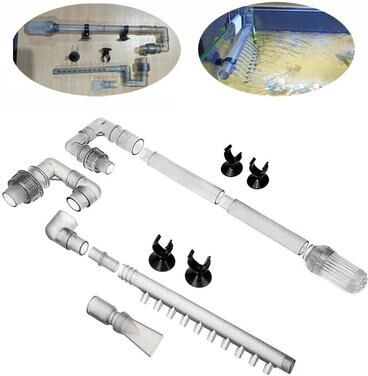
Happy Pet Pantry Aquarium Filter External Canister Parts: Water Inflow Outflow Tube Accessories 2Water Inflow Outflow Tube Pipe Aquarium Filter External Canister Parts Tank Water Tube Inlet Outlet Accessories 100% brand new and high quality.Help to adjust the water flow direction.Fit for HW603B602B and Eheim 250300600.Suitable for filters with...24,97 $*Shipping: 0,00 $Secure redirect to the provider
-
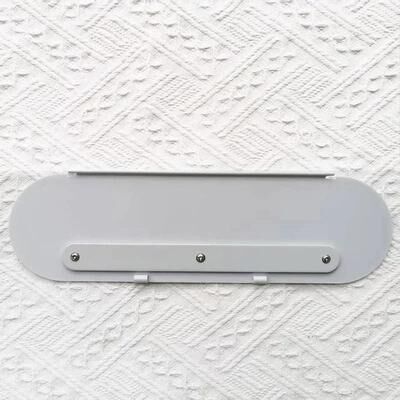
Uplift Picks TONEPIE Q Clean Cat Litter Box Accessories And Replacement Parts doorKeep your smart litter box working cleaner, smoother, and more comfortably for your cat. These cat litter box accessories are made for the TONEPIE Q Clean system and include replacement options such as mats, filter mesh, bucket rings, anti sand...110,00 $*Shipping: 0,00 $Secure redirect to the provider

-
What components does a photodiode need in electrical engineering?
In electrical engineering, a photodiode requires several components to function effectively. These include a semiconductor material, such as silicon, which is sensitive to light and capable of generating an electric current when exposed to photons. Additionally, a photodiode needs a p-n junction to create a depletion region, which allows for the separation of electron-hole pairs when light is absorbed. Furthermore, a photodiode typically requires a reverse bias voltage to create the necessary electric field for efficient operation. Finally, a photodiode may also need a protective housing to shield it from external factors such as temperature, humidity, and mechanical stress. **
-
What is the difference between a diode and a photodiode?
A diode is a two-terminal electronic component that allows current to flow in one direction only. It is commonly used in electronic circuits to control the direction of current flow. On the other hand, a photodiode is a type of diode that is designed to convert light into electrical current. Photodiodes are used in various applications such as light sensors, solar cells, and optical communications. The key difference between a diode and a photodiode is that a photodiode is specifically designed to detect and convert light into electrical current, whereas a diode is a more general electronic component used for controlling current flow. **
-
What is the difference between a photoelement and a photodiode?
A photoelement is a general term used to describe any device that converts light into an electrical signal, including photodiodes. A photodiode is a specific type of photoelement that operates in reverse bias, meaning it only allows current to flow when light is present. Photodiodes are commonly used in applications such as light detection, solar cells, and optical communication systems. In contrast, a photoelement can refer to a broader range of light-sensitive devices, including phototransistors, photoresistors, and photovoltaic cells. **
-
What is firearm accessories for sports shooters?
Firearm accessories for sports shooters are additional items that can be added to a firearm to enhance its performance, accuracy, and functionality. These accessories can include items such as scopes, red dot sights, bipods, slings, and magazine extensions. Sports shooters often use these accessories to customize their firearms to better suit their individual shooting style and competition needs. Additionally, firearm accessories can also help sports shooters improve their shooting skills and overall performance on the range or in competition. **

What are the different characteristics between a photodiode and a photoresistor?
Photodiodes are semiconductor devices that generate a current when exposed to light, offering a fast response time and high sensitivity to light intensity changes. They are more expensive and complex to use compared to photoresistors. Photoresistors, on the other hand, are passive components that change resistance based on the amount of light they are exposed to, providing a simple and cost-effective solution for light detection. They have a slower response time and are less sensitive to light compared to photodiodes. **
How can the light sensor (photodiode) be read out analog-digital?
The light sensor (photodiode) can be read out analog-digital by using an analog-to-digital converter (ADC). The photodiode generates a current or voltage signal in response to the incident light, which is then converted into a digital value by the ADC. The ADC samples the analog signal at regular intervals and quantizes it into discrete digital values, which can then be processed and analyzed by a microcontroller or computer. This digital output can be used to measure the intensity of the light and make decisions or trigger actions based on the light level. **
Top-Angebote
Products related to Photodiode:
-
Burgon & Ball RHS Flora & Fauna Pruner & Holster Set This RHS Flora & Fauna pruner and holster set combines dependable cutting performance with decorative botanical detail, making it a thoughtful and practical gardening gift. The pruner is endorsed by the Royal Horticultural Society and designed for long‑lasting use. Lightweight alloy handles are paired with a hardened, tempered high‑carbon steel blade to deliver clean, precise cuts. Finished with blue handles that complement the Flora & Fauna design, the pruner is comfortable to use and carries a reassuring ten‑year guarantee. The matching neoprene holster features the vibrant Flora & Fauna pattern and is designed to be worn on a belt, keeping the pruner close to hand while gardening. The set is presented in a plastic‑free, fully recyclable pull‑out gift box, with engineered cardboard securing both items neatly in place. The Flora & Fauna design showcases elegant birds and delicate foliage drawn from historic illustrations in the RHS Lindley Collections, including Chinese watercolours and hand‑coloured engravings dating from 1819–1912. Designed by Burgon & Ball as part of the RHS Gifts for Gardeners collection. Pruner length: 17cm. Pruner weight: 0.16kg. Holster length: 19cm. Knives are not for sale to persons under the age of 18. - all knives and bladed products are delivered by Age Verified Delivery (AVD). The carrier may request proof of age in order to deliver your parcel. If proof of age is not available, or the recipient is underage, the carrier will refuse to deliver.20,69 £*Shipping: 3,50 £Secure redirect to the provider
-
Tools, Home & Hobby 26FT Chimney Sweep Kit With Flexible Brush Rods And Safety Accessories 26FT Chimney Sweep Kit With Flexible Brush Rods And Safety AccessoriesKeep your fireplace cleaner, safer, and ready for cozy moments with an easytouse chimney cleaning solution. The 26FT Chimney Sweep Kit is designed for homeowners, fireplace users, and maintenance professionals who need reliable cleaning performance...129,97 $*Shipping: 0,00 $Secure redirect to the provider
-
Uplift Picks TONEPIE Q Clean Cat Litter Box Accessories And Replacement Parts oKeep your smart litter box working cleaner, smoother, and more comfortably for your cat. These cat litter box accessories are made for the TONEPIE Q Clean system and include replacement options such as mats, filter mesh, bucket rings, anti sand...110,00 $*Shipping: 0,00 $Secure redirect to the provider
-
How does a photodiode work?
A photodiode is a semiconductor device that converts light into an electrical current. When light strikes the photodiode, it generates electron-hole pairs in the semiconductor material. These pairs create a flow of current, which can be measured as a voltage output. The amount of current produced is directly proportional to the intensity of the light hitting the photodiode. This makes photodiodes useful for applications such as light detection, solar cells, and optical communications. **
-
How is a photodiode connected?
A photodiode is typically connected in reverse bias configuration, meaning the anode is connected to the negative terminal of the power supply and the cathode is connected to the positive terminal. This allows the photodiode to operate in the photoconductive mode, where it generates a current in response to light exposure. Additionally, a resistor is often connected in series with the photodiode to limit the current and prevent damage to the diode. Finally, the output of the photodiode can be connected to a load or measurement circuit to utilize the generated current. **
-
What components does a photodiode need in electrical engineering?
In electrical engineering, a photodiode requires several components to function effectively. These include a semiconductor material, such as silicon, which is sensitive to light and capable of generating an electric current when exposed to photons. Additionally, a photodiode needs a p-n junction to create a depletion region, which allows for the separation of electron-hole pairs when light is absorbed. Furthermore, a photodiode typically requires a reverse bias voltage to create the necessary electric field for efficient operation. Finally, a photodiode may also need a protective housing to shield it from external factors such as temperature, humidity, and mechanical stress. **
-
What is the difference between a diode and a photodiode?
A diode is a two-terminal electronic component that allows current to flow in one direction only. It is commonly used in electronic circuits to control the direction of current flow. On the other hand, a photodiode is a type of diode that is designed to convert light into electrical current. Photodiodes are used in various applications such as light sensors, solar cells, and optical communications. The key difference between a diode and a photodiode is that a photodiode is specifically designed to detect and convert light into electrical current, whereas a diode is a more general electronic component used for controlling current flow. **
Similar search terms for Photodiode
-
Happy Pet Pantry Aquarium Filter External Canister Parts: Water Inflow Outflow Tube Accessories 2Water Inflow Outflow Tube Pipe Aquarium Filter External Canister Parts Tank Water Tube Inlet Outlet Accessories 100% brand new and high quality.Help to adjust the water flow direction.Fit for HW603B602B and Eheim 250300600.Suitable for filters with...24,97 $*Shipping: 0,00 $Secure redirect to the provider
-
Uplift Picks TONEPIE Q Clean Cat Litter Box Accessories And Replacement Parts doorKeep your smart litter box working cleaner, smoother, and more comfortably for your cat. These cat litter box accessories are made for the TONEPIE Q Clean system and include replacement options such as mats, filter mesh, bucket rings, anti sand...110,00 $*Shipping: 0,00 $Secure redirect to the provider
-
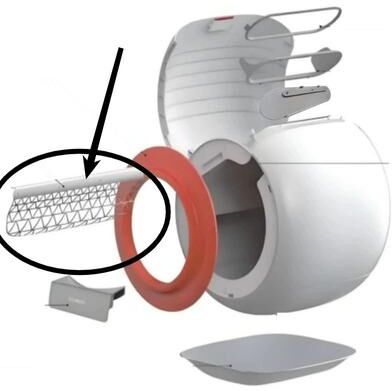
Uplift Picks TONEPIE Q Clean Cat Litter Box Accessories And Replacement Parts filterKeep your smart litter box working cleaner, smoother, and more comfortably for your cat. These cat litter box accessories are made for the TONEPIE Q Clean system and include replacement options such as mats, filter mesh, bucket rings, anti sand...200,00 $*Shipping: 0,00 $Secure redirect to the provider
-
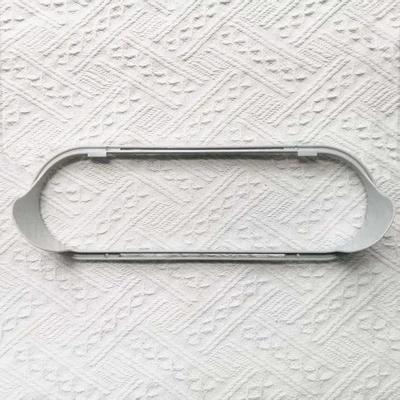
Uplift Picks TONEPIE Q Clean Cat Litter Box Accessories And Replacement Parts frameKeep your smart litter box working cleaner, smoother, and more comfortably for your cat. These cat litter box accessories are made for the TONEPIE Q Clean system and include replacement options such as mats, filter mesh, bucket rings, anti sand...110,00 $*Shipping: 0,00 $Secure redirect to the provider
-
What is the difference between a photoelement and a photodiode?
A photoelement is a general term used to describe any device that converts light into an electrical signal, including photodiodes. A photodiode is a specific type of photoelement that operates in reverse bias, meaning it only allows current to flow when light is present. Photodiodes are commonly used in applications such as light detection, solar cells, and optical communication systems. In contrast, a photoelement can refer to a broader range of light-sensitive devices, including phototransistors, photoresistors, and photovoltaic cells. **
-
What is firearm accessories for sports shooters?
Firearm accessories for sports shooters are additional items that can be added to a firearm to enhance its performance, accuracy, and functionality. These accessories can include items such as scopes, red dot sights, bipods, slings, and magazine extensions. Sports shooters often use these accessories to customize their firearms to better suit their individual shooting style and competition needs. Additionally, firearm accessories can also help sports shooters improve their shooting skills and overall performance on the range or in competition. **
-
What are the different characteristics between a photodiode and a photoresistor?
Photodiodes are semiconductor devices that generate a current when exposed to light, offering a fast response time and high sensitivity to light intensity changes. They are more expensive and complex to use compared to photoresistors. Photoresistors, on the other hand, are passive components that change resistance based on the amount of light they are exposed to, providing a simple and cost-effective solution for light detection. They have a slower response time and are less sensitive to light compared to photodiodes. **
-
How can the light sensor (photodiode) be read out analog-digital?
The light sensor (photodiode) can be read out analog-digital by using an analog-to-digital converter (ADC). The photodiode generates a current or voltage signal in response to the incident light, which is then converted into a digital value by the ADC. The ADC samples the analog signal at regular intervals and quantizes it into discrete digital values, which can then be processed and analyzed by a microcontroller or computer. This digital output can be used to measure the intensity of the light and make decisions or trigger actions based on the light level. **
* All prices are inclusive of VAT and, if applicable, plus shipping costs. The offer information is based on the details provided by the respective shop and is updated through automated processes. Real-time updates do not occur, so deviations can occur in individual cases. ** Note: Parts of this content were created by AI.