Buy gunfactory.eu ?
We are moving the project
gunfactory.eu .
Are you interested in purchasing the domain
gunfactory.eu ?
domain@kv-gmbh.de · 0541-91531010
Buy gunfactory.eu ?
Why is Rutherford's scattering experiment called a scattering experiment at all?
Rutherford's experiment is called a scattering experiment because it involved firing alpha particles at a thin gold foil and observing how they scattered after hitting the foil. The term "scattering" refers to the process of particles being deflected from their original path as a result of collisions with the atoms in the foil. By analyzing the pattern of scattering, Rutherford was able to deduce the structure of the atom and propose the existence of a dense, positively charged nucleus at its center. This experiment was crucial in advancing our understanding of atomic structure and the behavior of subatomic particles. **
What was Rutherford's scattering experiment?
Rutherford's scattering experiment involved firing alpha particles at a thin gold foil and observing their deflection. The experiment aimed to study the structure of the atom and determine how the positive charge is distributed within it. The unexpected results of the experiment led Rutherford to propose the nuclear model of the atom, where he suggested that atoms have a small, dense, positively charged nucleus at their center. This experiment was crucial in advancing our understanding of atomic structure. **

Similar search terms for Scattering
Top-Angebote
Products related to Scattering:
-
Happy Pet Pantry Aquarium Filter External Canister Parts: Water Inflow Outflow Tube Accessories 2Water Inflow Outflow Tube Pipe Aquarium Filter External Canister Parts Tank Water Tube Inlet Outlet Accessories 100% brand new and high quality.Help to adjust the water flow direction.Fit for HW603B602B and Eheim 250300600.Suitable for filters with...24,97 $*Shipping: 0,00 $Secure redirect to the provider
-
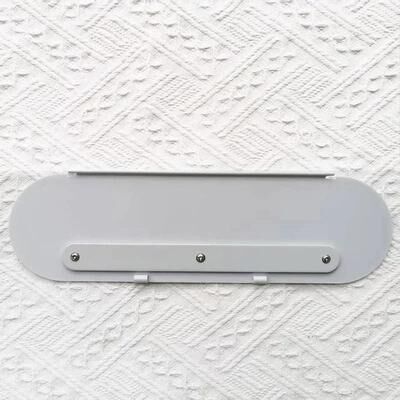
Uplift Essentials Smart Self Cleaning Litter Box Replacement Accessories & Maintenance Parts q clean frameKeep your automated pet care system running at peak performance with our specialized automatic litter box accessories collection. Maintaining a clean and hygienic environment for your cat is essential, and these precision components are designed to...64,97 $*Shipping: 0,00 $Secure redirect to the provider
-
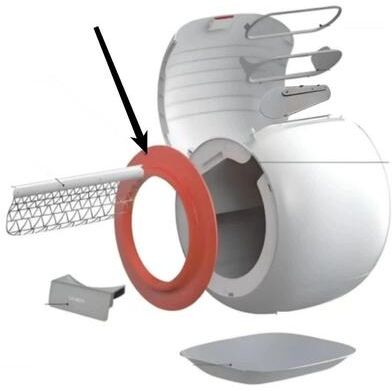
Uplift Picks TONEPIE Q Clean Cat Litter Box Accessories And Replacement Parts matKeep your smart litter box working cleaner, smoother, and more comfortably for your cat. These cat litter box accessories are made for the TONEPIE Q Clean system and include replacement options such as mats, filter mesh, bucket rings, anti sand...200,00 $*Shipping: 0,00 $Secure redirect to the provider
-
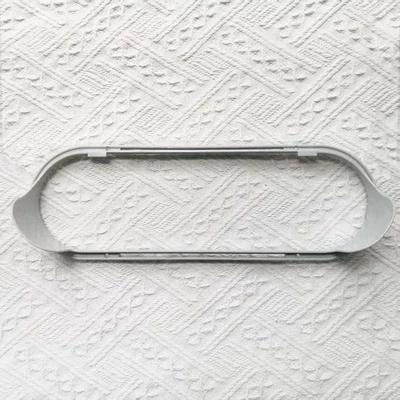
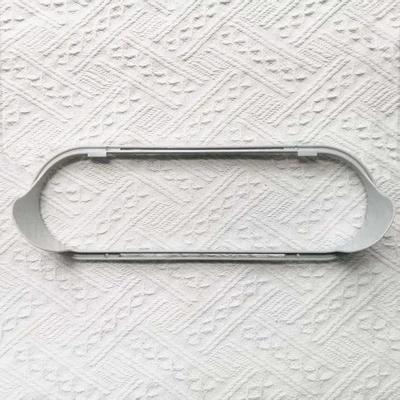
Uplift Picks TONEPIE Q Clean Cat Litter Box Accessories And Replacement Parts frameKeep your smart litter box working cleaner, smoother, and more comfortably for your cat. These cat litter box accessories are made for the TONEPIE Q Clean system and include replacement options such as mats, filter mesh, bucket rings, anti sand...110,00 $*Shipping: 0,00 $Secure redirect to the provider



-
What is the Rutherford scattering experiment?
The Rutherford scattering experiment was conducted by physicist Ernest Rutherford in 1909. In this experiment, Rutherford bombarded a thin gold foil with alpha particles and observed their scattering patterns. The unexpected results of the experiment led to the discovery of the atomic nucleus and the development of the nuclear model of the atom. The experiment showed that most of the alpha particles passed through the foil, but some were deflected at large angles, indicating the presence of a small, dense nucleus within the atom. This experiment revolutionized our understanding of the structure of the atom. **
-
What is the Rutherford scattering with copper?
Rutherford scattering with copper refers to the experiment conducted by Ernest Rutherford in which he bombarded a thin gold foil with alpha particles. The experiment led to the discovery that atoms have a small, dense nucleus at their center, which was a groundbreaking finding in the field of nuclear physics. The use of copper in the experiment is not common, as gold was the metal foil typically used due to its malleability and ability to be made very thin. **
-
What is the difference between reflection and scattering?
Reflection occurs when light bounces off a surface at the same angle it hits it, resulting in a clear image. Scattering, on the other hand, occurs when light is dispersed in different directions by particles or irregularities in a medium, resulting in a diffuse or hazy appearance. In reflection, the light maintains its original intensity and color, while in scattering, the light may lose intensity and change color due to the interaction with the medium. **
-
What causes the photoelectric effect: absorption or scattering?
The photoelectric effect is caused by absorption of photons by electrons in a material, rather than scattering. When a photon with sufficient energy is absorbed by an electron in a material, it can transfer enough energy to the electron to liberate it from the material, causing the photoelectric effect. Scattering, on the other hand, involves the redirection of photons by particles in a material, but it does not result in the ejection of electrons from the material. **
Why is the Rutherford experiment called the scattering experiment?
The Rutherford experiment is called the scattering experiment because it involved firing alpha particles at a thin gold foil and observing how they scattered after hitting the foil. This scattering of alpha particles provided crucial evidence for the existence of a small, dense nucleus within the atom, as most of the alpha particles passed through the foil with little deflection, but a small fraction were scattered at large angles. This unexpected scattering pattern led to the development of the nuclear model of the atom and revolutionized our understanding of atomic structure. **
Can you explain the Rutherford scattering experiment atomic model?
The Rutherford scattering experiment was conducted by physicist Ernest Rutherford in 1909. In this experiment, Rutherford bombarded a thin gold foil with alpha particles and observed their scattering patterns. According to the prevailing atomic model at the time, the plum pudding model, it was expected that the alpha particles would pass through the foil with minimal deflection. However, Rutherford's observations showed that some alpha particles were deflected at large angles, and even some were reflected back. This led to the development of the nuclear model of the atom, in which the atom is mostly empty space with a small, dense nucleus at the center. This experiment provided evidence for the existence of a positively charged nucleus within the atom, leading to a significant shift in our understanding of atomic structure. **
Top-Angebote
Products related to Scattering:
-
Burgon & Ball RHS Flora & Fauna Pruner & Holster Set This RHS Flora & Fauna pruner and holster set combines dependable cutting performance with decorative botanical detail, making it a thoughtful and practical gardening gift. The pruner is endorsed by the Royal Horticultural Society and designed for long‑lasting use. Lightweight alloy handles are paired with a hardened, tempered high‑carbon steel blade to deliver clean, precise cuts. Finished with blue handles that complement the Flora & Fauna design, the pruner is comfortable to use and carries a reassuring ten‑year guarantee. The matching neoprene holster features the vibrant Flora & Fauna pattern and is designed to be worn on a belt, keeping the pruner close to hand while gardening. The set is presented in a plastic‑free, fully recyclable pull‑out gift box, with engineered cardboard securing both items neatly in place. The Flora & Fauna design showcases elegant birds and delicate foliage drawn from historic illustrations in the RHS Lindley Collections, including Chinese watercolours and hand‑coloured engravings dating from 1819–1912. Designed by Burgon & Ball as part of the RHS Gifts for Gardeners collection. Pruner length: 17cm. Pruner weight: 0.16kg. Holster length: 19cm. Knives are not for sale to persons under the age of 18. - all knives and bladed products are delivered by Age Verified Delivery (AVD). The carrier may request proof of age in order to deliver your parcel. If proof of age is not available, or the recipient is underage, the carrier will refuse to deliver.20,69 £*Shipping: 3,50 £Secure redirect to the provider
-
Uplift Picks TONEPIE Q Clean Cat Litter Box Accessories And Replacement Parts oKeep your smart litter box working cleaner, smoother, and more comfortably for your cat. These cat litter box accessories are made for the TONEPIE Q Clean system and include replacement options such as mats, filter mesh, bucket rings, anti sand...110,00 $*Shipping: 0,00 $Secure redirect to the provider
-
Happy Pet Pantry Aquarium Filter External Canister Parts: Water Inflow Outflow Tube Accessories 2Water Inflow Outflow Tube Pipe Aquarium Filter External Canister Parts Tank Water Tube Inlet Outlet Accessories 100% brand new and high quality.Help to adjust the water flow direction.Fit for HW603B602B and Eheim 250300600.Suitable for filters with...24,97 $*Shipping: 0,00 $Secure redirect to the provider
-
Uplift Essentials Smart Self Cleaning Litter Box Replacement Accessories & Maintenance Parts q clean frameKeep your automated pet care system running at peak performance with our specialized automatic litter box accessories collection. Maintaining a clean and hygienic environment for your cat is essential, and these precision components are designed to...64,97 $*Shipping: 0,00 $Secure redirect to the provider
-
Why is Rutherford's scattering experiment called a scattering experiment at all?
Rutherford's experiment is called a scattering experiment because it involved firing alpha particles at a thin gold foil and observing how they scattered after hitting the foil. The term "scattering" refers to the process of particles being deflected from their original path as a result of collisions with the atoms in the foil. By analyzing the pattern of scattering, Rutherford was able to deduce the structure of the atom and propose the existence of a dense, positively charged nucleus at its center. This experiment was crucial in advancing our understanding of atomic structure and the behavior of subatomic particles. **
-
What was Rutherford's scattering experiment?
Rutherford's scattering experiment involved firing alpha particles at a thin gold foil and observing their deflection. The experiment aimed to study the structure of the atom and determine how the positive charge is distributed within it. The unexpected results of the experiment led Rutherford to propose the nuclear model of the atom, where he suggested that atoms have a small, dense, positively charged nucleus at their center. This experiment was crucial in advancing our understanding of atomic structure. **
-
What is the Rutherford scattering experiment?
The Rutherford scattering experiment was conducted by physicist Ernest Rutherford in 1909. In this experiment, Rutherford bombarded a thin gold foil with alpha particles and observed their scattering patterns. The unexpected results of the experiment led to the discovery of the atomic nucleus and the development of the nuclear model of the atom. The experiment showed that most of the alpha particles passed through the foil, but some were deflected at large angles, indicating the presence of a small, dense nucleus within the atom. This experiment revolutionized our understanding of the structure of the atom. **
-
What is the Rutherford scattering with copper?
Rutherford scattering with copper refers to the experiment conducted by Ernest Rutherford in which he bombarded a thin gold foil with alpha particles. The experiment led to the discovery that atoms have a small, dense nucleus at their center, which was a groundbreaking finding in the field of nuclear physics. The use of copper in the experiment is not common, as gold was the metal foil typically used due to its malleability and ability to be made very thin. **
Similar search terms for Scattering
-
Uplift Picks TONEPIE Q Clean Cat Litter Box Accessories And Replacement Parts matKeep your smart litter box working cleaner, smoother, and more comfortably for your cat. These cat litter box accessories are made for the TONEPIE Q Clean system and include replacement options such as mats, filter mesh, bucket rings, anti sand...200,00 $*Shipping: 0,00 $Secure redirect to the provider
-
Uplift Picks TONEPIE Q Clean Cat Litter Box Accessories And Replacement Parts frameKeep your smart litter box working cleaner, smoother, and more comfortably for your cat. These cat litter box accessories are made for the TONEPIE Q Clean system and include replacement options such as mats, filter mesh, bucket rings, anti sand...110,00 $*Shipping: 0,00 $Secure redirect to the provider
-
Uplift Picks TONEPIE Q Clean Cat Litter Box Accessories And Replacement Parts circleKeep your smart litter box working cleaner, smoother, and more comfortably for your cat. These cat litter box accessories are made for the TONEPIE Q Clean system and include replacement options such as mats, filter mesh, bucket rings, anti sand...200,00 $*Shipping: 0,00 $Secure redirect to the provider
-
Uplift Picks TONEPIE Q Clean Cat Litter Box Accessories And Replacement Parts doorKeep your smart litter box working cleaner, smoother, and more comfortably for your cat. These cat litter box accessories are made for the TONEPIE Q Clean system and include replacement options such as mats, filter mesh, bucket rings, anti sand...110,00 $*Shipping: 0,00 $Secure redirect to the provider
-
What is the difference between reflection and scattering?
Reflection occurs when light bounces off a surface at the same angle it hits it, resulting in a clear image. Scattering, on the other hand, occurs when light is dispersed in different directions by particles or irregularities in a medium, resulting in a diffuse or hazy appearance. In reflection, the light maintains its original intensity and color, while in scattering, the light may lose intensity and change color due to the interaction with the medium. **
-
What causes the photoelectric effect: absorption or scattering?
The photoelectric effect is caused by absorption of photons by electrons in a material, rather than scattering. When a photon with sufficient energy is absorbed by an electron in a material, it can transfer enough energy to the electron to liberate it from the material, causing the photoelectric effect. Scattering, on the other hand, involves the redirection of photons by particles in a material, but it does not result in the ejection of electrons from the material. **
-
Why is the Rutherford experiment called the scattering experiment?
The Rutherford experiment is called the scattering experiment because it involved firing alpha particles at a thin gold foil and observing how they scattered after hitting the foil. This scattering of alpha particles provided crucial evidence for the existence of a small, dense nucleus within the atom, as most of the alpha particles passed through the foil with little deflection, but a small fraction were scattered at large angles. This unexpected scattering pattern led to the development of the nuclear model of the atom and revolutionized our understanding of atomic structure. **
-
Can you explain the Rutherford scattering experiment atomic model?
The Rutherford scattering experiment was conducted by physicist Ernest Rutherford in 1909. In this experiment, Rutherford bombarded a thin gold foil with alpha particles and observed their scattering patterns. According to the prevailing atomic model at the time, the plum pudding model, it was expected that the alpha particles would pass through the foil with minimal deflection. However, Rutherford's observations showed that some alpha particles were deflected at large angles, and even some were reflected back. This led to the development of the nuclear model of the atom, in which the atom is mostly empty space with a small, dense nucleus at the center. This experiment provided evidence for the existence of a positively charged nucleus within the atom, leading to a significant shift in our understanding of atomic structure. **
* All prices are inclusive of VAT and, if applicable, plus shipping costs. The offer information is based on the details provided by the respective shop and is updated through automated processes. Real-time updates do not occur, so deviations can occur in individual cases. ** Note: Parts of this content were created by AI.